Why Your AI Customer Service Bot Needs a Digital License Plate
The father of the internet is creating identity standards for AI agents. This system acts like a digital license plate, allowing your business bots to prove who they are, avoid spam filters, and interact securely with other companies.
Key Takeaways
- AI agents need a standardized digital ID to move freely across the web.
- Small businesses risk being flagged as spam if their bots aren't verifiable.
- Transparency about using AI is a technical necessity for deliverability.
- Proper domain verification like SPF and DKIM is the first step in establishing bot trust.
- Standardized IDs keep the playing field level between small businesses and large corporations.
The Architect of the Internet Wants to Tag Your AI
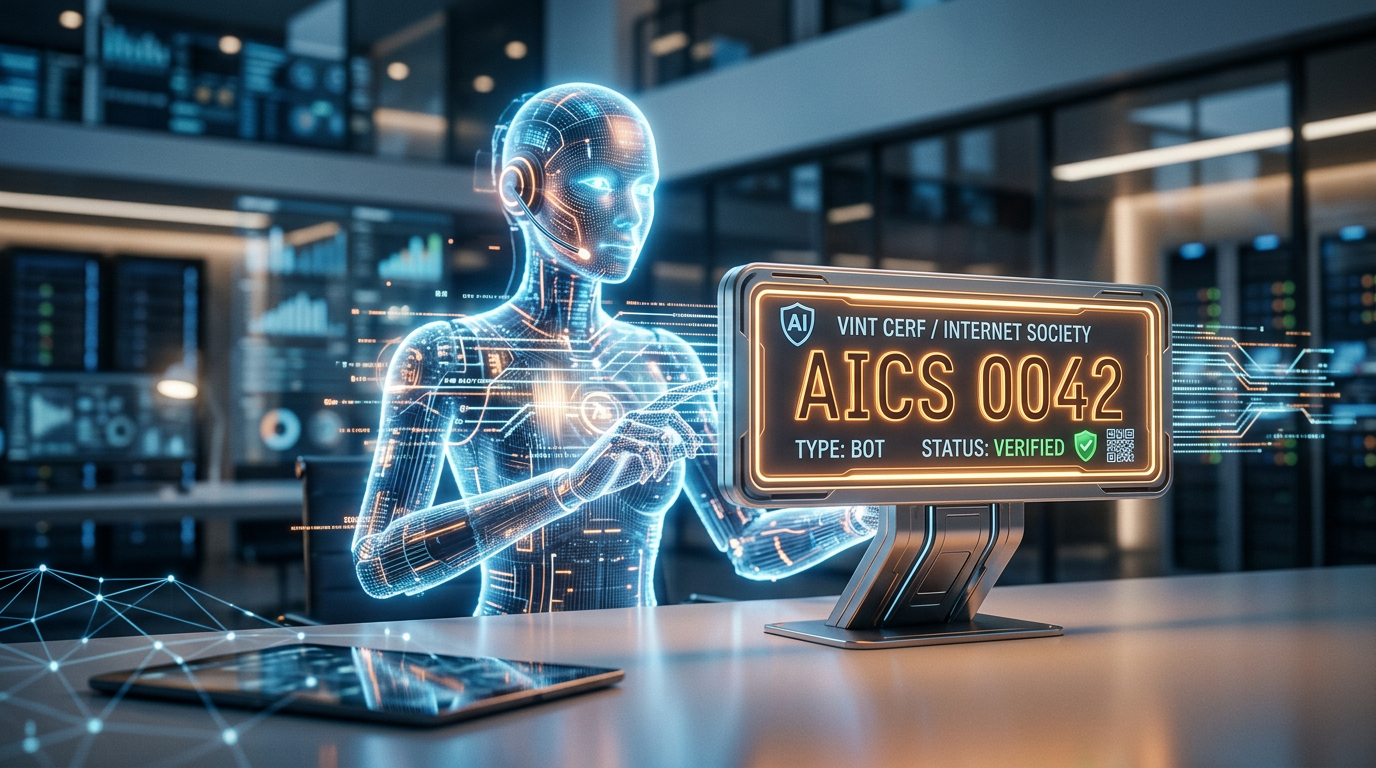
Vint Cerf, the man who helped create the original rules for how computers talk to each other, is building a system to identify AI agents. According to TechCrunch, this plan creates a way for AI bots to prove who they are and who they work for. Think of it like a license plate for every automated tool you use in your business. This matters because the internet is becoming a crowded room where nobody knows if they're talking to a human or a rogue script.
For a small business owner, this is a trust mechanism. If you bolt an AI agent onto your website to handle customer service, that agent needs a way to shake hands with other systems. Without a standard identity, your helpful bot might look like a spammer to a customer's email filter or a security threat to a vendor's website. Cerf's work is about creating a layer of accountability so these agents can move across the web to get work done for you.
The Shift From Tools to Agents
Most of us use AI like a calculator. You type a prompt, it gives an answer. But we're moving toward agents, which are AI programs that can take actions, make decisions, and talk to other software for you. If you tell an agent to book a flight or negotiate a contract, it has to go out into the wild. Cerf wants these agents to have a clear digital ID so they don't get blocked by the systems they need to contact.
This is a win for the little guy. Large corporations have the budget to build private, secure tunnels for their data. Small businesses rely on the open internet. By establishing AI agent standards for business, the playing field stays level. You won't need a million dollar security team to prove your customer service bot is legitimate. You'll just need to follow the protocol that everyone else uses.
Why Trust Is Your New Currency
If your AI agent doesn't have a verifiable identity, it will eventually be treated like a prank caller. Imagine your automated assistant tries to reach out to a supplier to check inventory. If that supplier's system can't verify that the agent belongs to your company, it will drop the connection. This is why the license plate approach is vital. It wires trust directly into the communication process.
I've seen businesses try to hide the fact that they use automation because they think it feels more personal. That strategy will backfire fast. When these new standards roll out, being transparent about your AI will be the only way to ensure your messages actually get through. Authenticity is now a technical requirement for getting your emails delivered and your forms processed.
3 Practical Steps to Take This Week
You don't have to wait for the final technical specs to prepare your business. You can start building a foundation of trust right now. Most of these steps are about cleaning up your digital footprint so that when the license plate system arrives, you're ready to bolt it on.
- Audit your automated touchpoints. List every place where a bot interacts with a customer. This includes your website chat, automated email sequences, and social media responders. Make sure each one clearly identifies itself as an automated assistant.
- Verify your domain records. Check your SPF and DKIM settings with your web host. These are existing ways to prove your emails are real. If these aren't set up correctly, your AI driven emails will likely hit the spam folder before they're ever read.
- Update your privacy policy. Add a simple section that explains you use AI agents to improve service. State clearly what data these agents can access. This builds a paper trail of accountability that matches the digital ID systems coming soon.
What to Watch Next
Keep an eye on how browsers like Chrome and Safari start to flag AI agents. We'll likely see a little icon in the URL bar, similar to the padlock icon for secure websites, that tells a user they're interacting with a verified business bot. As these standards solidify, I'll be teaching exactly how to register your agents so you don't get left behind in the spam filters.
The goal is to have your AI working for you 24/7 without being treated as a threat. If you want to see exactly how to set up these agents the right way before the rules get complicated, my 3 day training covers the ground floor of building bots that people actually want to talk to. We'll wire up the basics so you're ready for whatever the internet's founders roll out next.
FAQ
What is an AI agent exactly?
An AI agent is a program that doesn't just answer questions but can take actions, like booking an appointment or updating a database, without a human clicking every button.
Will this make my AI bots more expensive?
Probably not. These standards are meant to be built into the internet itself, much like how websites use https today to show they're secure.
Do I need to be a coder to set this up?
No. Most service providers will likely handle the technical license plate registration for you, but you'll need to verify your business identity with them.