Watch the Architects to Predict Your 2025 Tech Stack
Use tools like Blumify to monitor transcripts and changing views of AI leaders. By tracking when CEOs like Sam Altman or Dario Amodei pivot their stance on computing costs, you can adjust your 12-month tech budget before these trends hit the mainstream.
Key Takeaways
- Follow key AI lab CEOs to see where the technology is heading.
- Look for changed views in transcripts to identify shifts in AI availability and cost.
- Use leader insights to decide whether to hire more staff or invest in automation agents.
- Monitor public interviews to identify shifts in computing power demands.
Most business owners wait for a tool to hit the App Store before they pay attention. To stay ahead, stop looking at the software and start tracking the people building the engines. Monitoring public statements from AI leaders lets you spot market shifts before they become expensive mistakes.
If a CEO at a major lab changes their mind about computing power, it signals what kind of tools will be affordable for your business next year. You can use monitoring tools like Blumify to track these changes without spending all day on social media. This tool collects transcripts and notes when a leader pivots on a specific topic.
Filter the Signal from the Noise
Don't try to follow every developer on the internet. Focus on the CEOs at the top of the food chain, such as Sam Altman of OpenAI, Dario Amodei of Anthropic, or Satya Nadella at Microsoft. These people control the roadmap for the tools you use every day.
When these leaders speak in interviews, they often drop clues about upcoming capabilities. For example, if multiple leaders start talking about agentic workflows (AI that can complete multi-step tasks without help), it's time to look for automation platforms. These pivots are the earliest indicators of where the money is moving.
How to Build Your Industry Radar
You can set up a tracking system to guide your strategy. Use a tool that aggregates transcripts and highlights when a leader changes their stance. This is more useful than a news headline because it shows the evolution of their thinking. Here is how you wire up your own intelligence feed:
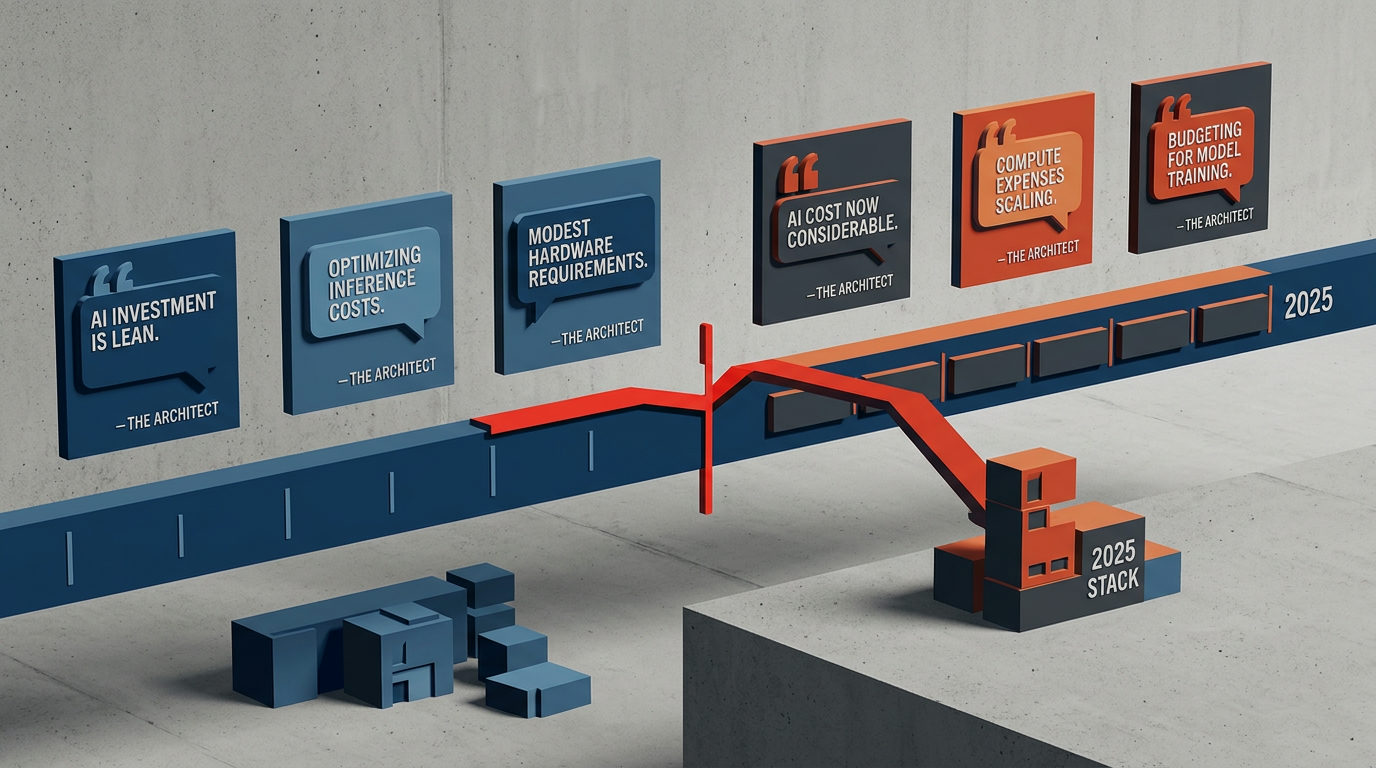
- Monitor for Changed Views: Look for instances where a leader contradicts a previous statement. According to Blumify, Sam Altman recently shifted from expecting a surplus of computing power to predicting a persistent shortage. This tells a business owner that AI costs might stay higher for longer than expected.
- Map the shift to a budget: If leaders move toward local AI (tools that run on your own computer), you might invest in better hardware rather than more monthly subscriptions.
Spotting the Pivot Point
The goal is to find the gap between what a leader said last year and what they say today. If they previously focused on simple chat and now focus on reasoning, your next hire should probably be someone who can manage complex logic rather than just a copywriter. Watch the most recent interview transcripts for any mention of costs, speed, or new capabilities to adjust your software budget for the next quarter.