The People at the End of the AI Generation
AI has moved from a novelty to boring infrastructure, creating a generation of workers who are skeptical, economically squeezed, and worried about the broken ladder of career growth as entry-level roles disappear.
Key Takeaways
- 40% of global employment is now exposed to AI impact according to the IMF.
- Entry-level hiring in coding and marketing is dropping as AI replaces junior tasks.
- Gen Z excitement for AI fell to 22% while anger and anxiety are rising.
- The apprenticeship system is at risk because juniors can no longer learn by doing grunt work.
- There is a growing flight to the physical as people seek human-centric careers.
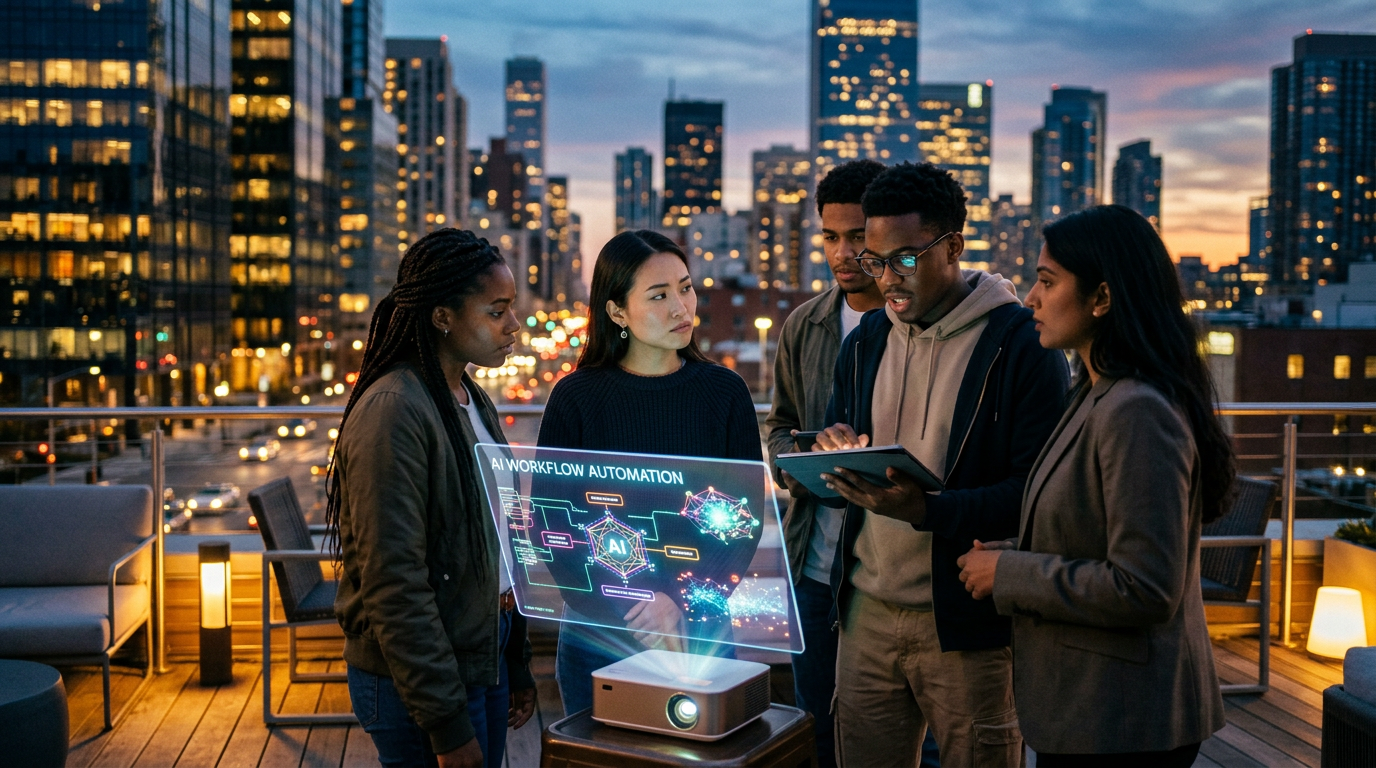
You've likely seen the headlines about robots taking over. Usually, those stories treat the future like a sci-fi movie. For the people living through it right now, the reality is much quieter. AI isn't a magic trick anymore. It's becoming part of the plumbing, like electricity or the internet. This shift has created a specific group: the first to live in a world where AI is everywhere, but they aren't exactly happy about it.
We call them the people at the end of the AI generation. They're students, young workers, and experienced professionals watching the rules of work change in real time. They're the ones feeling the squeeze as companies wire up software to do tasks that used to require a human touch. While the tech is impressive, the impact on their careers and their ability to learn is a major source of stress.
Who are the people at the end of the AI generation?
This group isn't just one age range, but they share a common experience. They're the first cohorts to see AI transition from a novelty into boring, contested infrastructure. It's the background noise of their daily lives. You'll find them in three main camps:
Young workers and students: Gen Z and late millennials are trying to start careers in coding and marketing while AI reshapes those jobs.
Mid-career professionals: Knowledge workers who spent 15 years building expertise, only to find their daily tasks are now partially automated.
Everyday consumers: People using phones where AI assistants are baked in by default, often without clear consent.
These people are at the end of the hype. They don't care about the latest tech demo. They care about whether they can still get a raise, find an entry-level job, or trust what they see on their screens. For them, AI isn't a promise. It's a hurdle they have to jump over every day.
How much of the workforce is actually affected?
The numbers show this isn't a small trend. A January 2026 analysis from the IMF suggests that almost 40% of all global employment is exposed to AI. If you live in an advanced economy, that number is likely even higher. This shift affects white-collar office work as much as it affects factory robots.
McKinsey research found that generative AI (software that creates text, images, or code) can automate tasks that take up 60% to 70% of an employee's time. Think about your workday. If 7 hours out of a 10-hour day can be done by a computer, what does that do to your value? This is the reality for the people at the end of the AI generation. They're working alongside an invisible assistant that never sleeps.
Is AI breaking the career ladder?
One of the biggest problems is the disappearing apprenticeship ladder. In the past, you started as a junior, did the grunt work, and learned enough to become an expert. Now, the AI does the grunt work. This sounds good until you realize that if juniors don't have grunt work to do, they never learn the skills to become seniors.
What's happening in software development?
Coding used to be a safe career bet. That's changing. Employment for software developers aged 22 to 25 has dropped nearly 20% from its 2022 peak. Students are noticing. Computer science enrollment fell 8.1% in late 2025. That's the first drop in ten years.
By late 2025, AI was writing about 80% of all code. Humans are now just glancing at the work to check reliability. This creates a gap. If a computer can write the code and a senior developer can check it, why hire a junior? This squeeze makes it harder for new people to enter the field.
Why is entry-level marketing shrinking?
It's the same story in marketing. One in three marketers says their company is hiring fewer entry-level people because of AI. The tools can now draft email copy, create social media images, and analyze data in seconds. Companies are keeping their high-level strategists but cutting the apprentices who used to do the execution. This makes the path to a long-term career look shaky.
Why is Gen Z turning against AI?
You might think young people would love this tech, but the data says the opposite. They're leading the resistance. Gallup surveys from 2025 and 2026 show a massive shift. Excitement about AI fell 14 points in just one year, down to only 22%.
Meanwhile, anger toward AI went up to 31%. These users are worried about their brains. Eight in ten Gen Z respondents believe AI will actually make learning harder. They think it will hurt their ability to think carefully. Only 3% of them say they trust work done by an AI alone. They want the human touch, but they feel like it's being taken away.
This anxiety causes real-world changes. Nearly half of college students have thought about changing their major because of AI. They're looking for jobs that a computer can't easily replicate: things that require physical presence, complex emotional intelligence, or manual skill.
How are people fighting back?
People aren't just sitting around. There's a growing movement to reclaim agency from the algorithms. We're seeing a flight to the physical. This means people are choosing hobbies and careers that involve real objects and face-to-face interaction.
Some are choosing dumb phones to escape constant AI monitoring. Others are looking for ways to verify that content is made by a human. There's a new premium on human-made work. People want to know a person was behind the screen, even if the AI version is cheaper or faster.
How can you adapt without getting left behind?
If you feel like you're at the end of the AI generation, the goal isn't to ignore the tools. The goal is to bolt them onto your existing skills so you become a force multiplier. AI is very good at tasks, but it's still mediocre at strategy. It can write code, but it struggles to know what direction a business should move in next.
Focus on the things AI can't do well. It can't build a deep relationship with a client. It can't understand the subtle office politics of a large merger. It can't innovate from a place of genuine human experience. Strip back the busy work and double down on your judgment and your ability to connect with people.
The first step is to understand how these tools actually work so you can control them. If you want to see exactly how to wire up these tools to save you time without losing your human edge, we can help. Join our free 3-day training where we walk through these steps live. You'll learn how to stack these tools to work for you, so you can stop worrying about the algorithm and start focusing on your best work.
FAQ
What does 'the end of the AI generation' mean?
It refers to people living in a time where AI is no longer a new trend but a standard, often invisible part of work and life infrastructure.
Why are computer science enrollments dropping?
Many students fear that AI writing 80% of code will eliminate junior developer roles and make it harder to start a career.
Is AI actually more accurate than humans?
In strategic judgment, some AI models score around 64% accuracy compared to a 50% average for humans, though they still lack human context.