New Rules for AI Generated Real Estate Images Disclosure: What Small Businesses Need to Know
New York City is cracking down on landlords using undisclosed AI images in ads. This move signals a broader shift toward legal accountability for all small businesses using AI to enhance product or property photos. To avoid marketing bans, you must start disclosing AI edits now.
Key Takeaways
- New York City is banning undisclosed AI-generated images in property advertisements.
- The law aims to prevent deceptive marketing that hides physical flaws or misrepresents reality.
- Small businesses should use clear labels like 'Virtually Staged' or 'AI Enhanced' directly on images.
- Transparency builds customer trust and protects you from potential legal disputes or marketing bans.
- Keep original, unedited photos on file to prove your marketing isn't intentionally misleading.
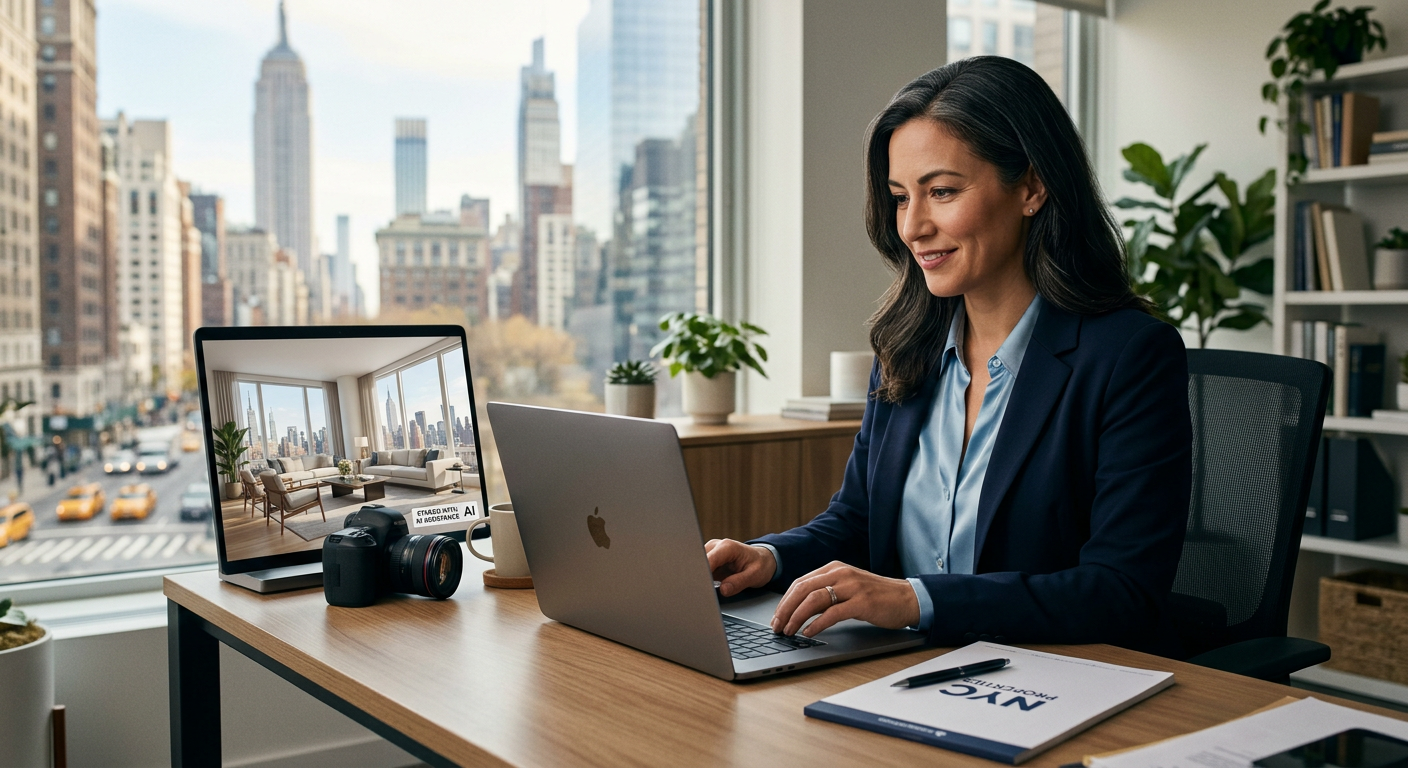
The End of Secret AI Photo Enhancements
If you've used AI to fix lighting in a dark kitchen or add furniture to an empty living room, the rules just changed. New York City Mayor Zohran Mamdani recently announced a policy targeting landlords who use AI to hide property flaws or misrepresent apartments. According to PetaPixel, the city is moving to ban AI generated images in advertisements unless they include a clear disclosure. This sets a legal precedent that'll likely ripple out to every small business owner using AI to sell products or services.
I've seen folks use AI tools to clean up a photo by removing a trash can from a curb or brightening a cloudy sky. It seems harmless, but the legal definition of truth in advertising is getting an update. The city's stance is that if an image doesn't reflect the physical reality of what a customer is buying or renting, it's deceptive. This puts a target on anyone using AI generated real estate images disclosure practices that aren't 100% transparent.
Why This Hits Small Business Owners Hard
Most small business owners aren't trying to scam anyone. You're just trying to make your product look as good as it does in real life. But the tools we use to stack improvements on a photo, like generative fill (where the AI creates new pixels to fill in gaps), are now viewed as potential false claims. If you use AI to add a marble countertop that isn't there, you're crossing a line that regulators are now watching.
I think this is a wake-up call for anyone in sales. Whether you sell houses, handmade jewelry, or professional services, the expectation of "what you see is what you get" is being enforced by law. You can't just bolt on a better version of reality and hope nobody notices. The risk is a potential marketing ban or a lawsuit for deceptive trade practices.
The Practitioner's View
Transparency builds more trust than a fake photo ever could. When you label an image as "digitally staged" or "AI enhanced for lighting," you tell the customer you're honest. That honesty is worth more than a glossy sky. Use these tools to assist your marketing, not to replace the truth. Strip back the urge to over-edit and focus on showing the real value of what you offer.
How to Stay Legal and Keep Selling
You don't have to stop using AI, but you do have to change how you talk about it. Here are 4 ways to handle AI generated real estate images disclosure without killing your conversion rates.
First, add a clear watermark or text overlay to any image that's been significantly altered. Don't hide it in the fine print. If you've used AI to stage a room, put "Virtually Staged" right on the image. It's better to be safe than to have a city inspector knocking on your door because a tenant felt misled.
Second, keep the original raw photos on file. If a regulator questions your ads, you need to show the difference between the actual product and the marketed version. If the AI only fixed the white balance and didn't change the structure of the item, you're on firmer ground. I'd suggest creating a side-by-side comparison for your own records so you know exactly how far you've pushed the edit.
Third, update your website terms and conditions. Mention that you use AI tools for image enhancement. This doesn't replace the need for specific image disclosures, but it creates a layer of protection. It shows intent to be honest, which matters if you ever end up in a dispute.
Fourth, audit your current listings. Go through your active ads and look for anything that might be considered a hallucination (when AI adds details that don't exist in the real world). If the AI added a window where there's only a solid wall, delete that photo immediately. It's a liability you don't want to carry.
What to Watch Next
Keep an eye on how other cities follow New York's lead. We're likely to see a wave of local ordinances that require specific labels for any AI content used in commerce. This isn't just about real estate anymore: it's about every pixel you put in front of a customer. Start practicing transparency now so you don't have to scramble when the laws catch up to your industry.
If you want to learn how to use these tools the right way without putting your business at risk, I'm hosting a 3-day training. We'll wire up your marketing workflow so it's efficient and legal. You can sign up for the next session on the main site.
FAQ
What counts as an AI-generated image disclosure?
A disclosure is a clear statement, often a text overlay or a caption, that tells the viewer the image has been created or significantly altered by AI. Examples include 'Virtually Staged' or 'Digitally Enhanced.'
Can I still use AI to fix the lighting in my photos?
Yes, but you should be careful. While basic color correction is usually fine, using AI to change the environment or hide damage now requires clear disclosure to avoid being labeled as deceptive advertising.
Does this law apply outside of New York City?
While the current specific ban is a NYC initiative, it sets a legal precedent that other cities and states are likely to follow. It's best practice to start disclosing AI use now regardless of your location.