From Human-Led to AI-Autonomous: Lessons from Utah's AI Doctor
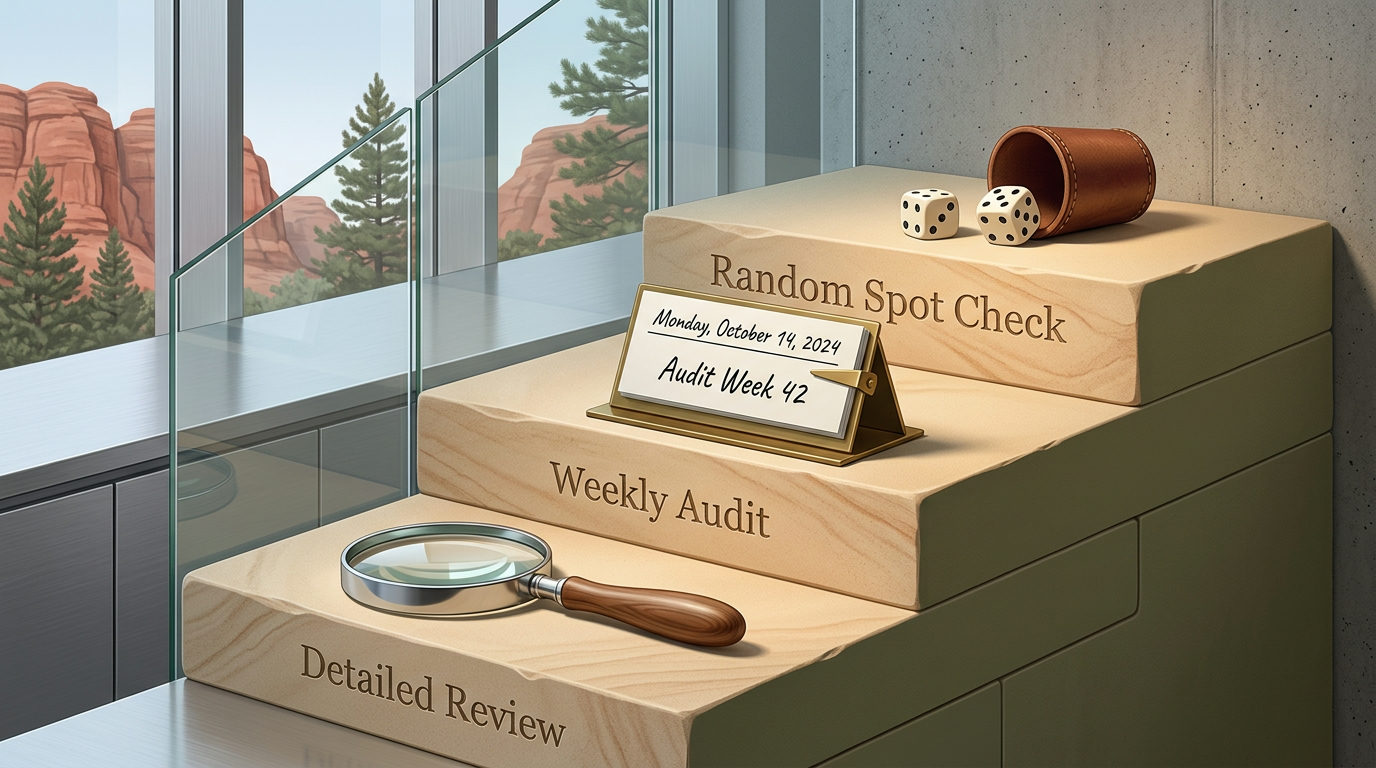
To safely move to autonomous AI, follow Utah's 3-phase model: first, have humans approve 100% of AI outputs; second, move to weekly retrospective reviews of all outputs; third, transition to 10% random monthly audits once the system is proven.
Key Takeaways
- Use a 3-phase rollout: Real-time verification, then retrospective batch audits, then statistical spot checks.
- Limit the AI sandbox to a specific list of approved outcomes to prevent hallucinations.
- Program your AI to flag a human immediately when a case falls outside its defined parameters.
Utah recently became the first state to allow AI to examine patients and prescribe medication without a human in the room. A startup called Nolla Health is using this new legal room to treat acne through a mobile app. While the scope is narrow, the way they structured the rollout is a blueprint for any business owner looking to move from human-led tasks to autonomous systems.
Moving to autonomous AI isn't about flipping a switch. It's about reducing the density of human oversight over time as the system proves its reliability. If you run a professional services firm, a law practice, or a consultancy, you can use the same 3-phase approach Utah is testing to safely hand off high-stakes decisions to AI.
Phase 1: Real-Time Verification
In the Utah pilot, the first 100 prescriptions must be reviewed by a human doctor before they ever reach a pharmacy. The AI does the work, but a person signs off on every single result. In your business, this looks like an AI drafting a legal contract or a financial report, but requiring a senior partner to click approve before it leaves the building.
Phase 2: Retrospective Batch Audits
Once the first 100 cases show no errors, the pilot shifts. For the next 400 patients, the AI sends the prescription directly to the pharmacy. However, a doctor reviews those decisions every week. The human is no longer a bottleneck for the customer, but they still inspect 100% of the work after the fact to catch patterns of error.
Phase 3: Statistical Oversight
The final phase moves to a 10% spot check once a month. At this stage, the business trusts the process enough to treat it like any other high-performing department. You aren't checking every file: you're auditing a random sample to ensure the system hasn't drifted away from your standards.
How to Wire Up Your Guardrails
To implement this, you need to define your list of approved treatments. The Utah AI isn't allowed to prescribe anything it wants: it's limited to 8 specific topical medications. When you build your AI agents, you must give them a narrow sandbox. Tell the AI exactly which data points it can use and which outcomes it is allowed to trigger.
You also need a clear reporting line. If the AI encounters a case that falls outside its acne severity scale, it must flag a human. High-stakes automation fails when the system tries to be polite and guess an answer. It succeeds when it's programmed to say I don't know, ask a person.
Start by identifying one repetitive, high-stakes decision in your workflow. Map out what 100 successful human-verified tests would look like. If you want to see how to build these specific logic gates without writing code, our 3-day training walks through the exact setup.