Alibaba Pours $10 Billion Into AI: What It Means for Your Sourcing Bottom Line
Alibaba is raising $10.3 billion to upgrade its AI and cloud systems. For small business owners, this means faster supplier matching, automated price negotiations, and smarter logistics to reduce shipping headaches.
Key Takeaways
- Alibaba is raising HK$80 billion to fund a massive AI and cloud buildout.
- The investment aims to improve the backbone of global e-commerce sourcing.
- Small businesses will see upgrades in automated supplier matching and logistics.
- Data-driven shipping routes could lead to lower costs and fewer delays.
- Sellers should clean up their product data now to benefit from future AI matching tools.
The $10 Billion Infrastructure Upgrade for Small Sellers
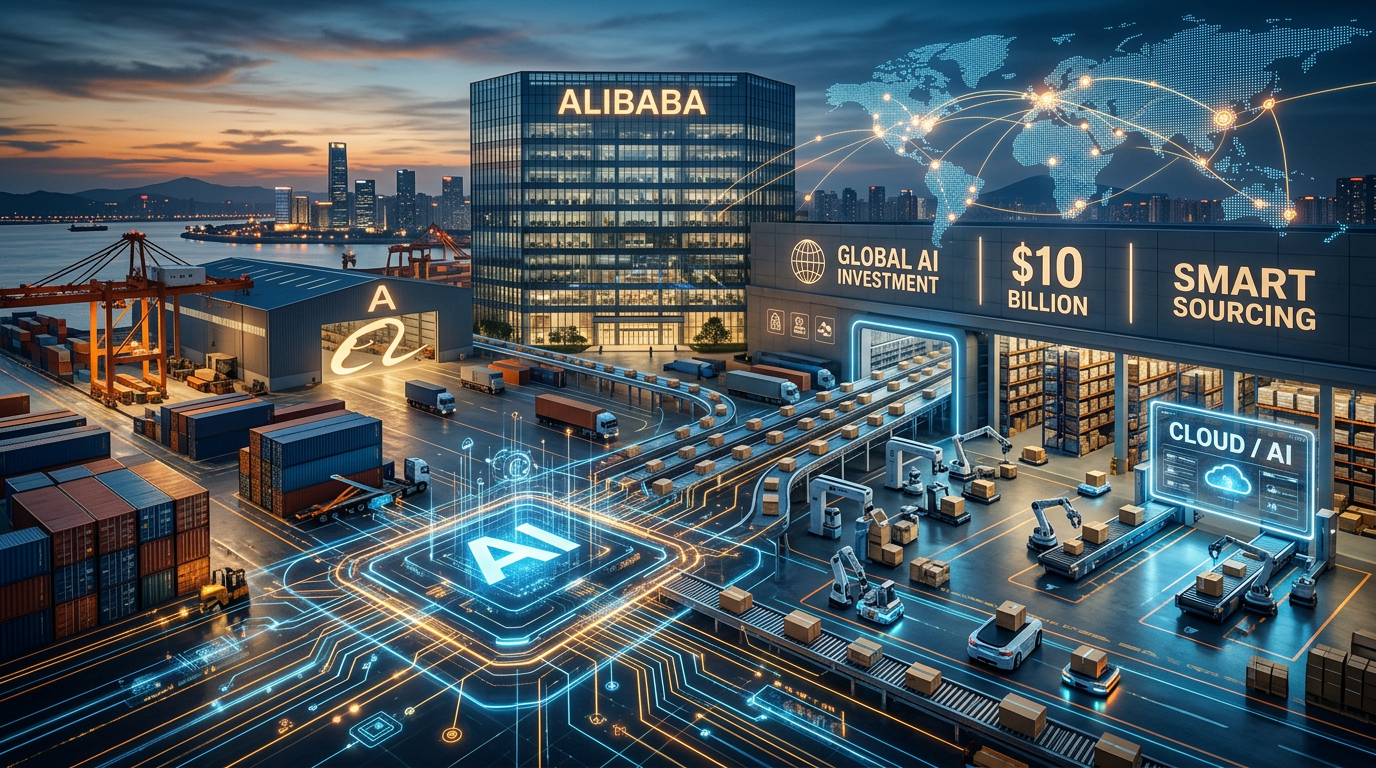
Alibaba just signaled a massive shift in how you'll buy products from overseas. The company announced plans to sell HK$80 billion in shares, which is about $10.3 billion USD, to fund their AI buildout and cloud infrastructure. While financial news focuses on stock prices, you need to look at the tools you use every day to find suppliers and ship goods.
When a giant like Alibaba dumps $10 billion into tech, it's to build a smarter engine that connects a seller in Ohio to a factory in Shenzhen without the usual friction. This money goes toward the brain of the platform, specifically focusing on AI and cloud capabilities. For you, that means the days of wading through 500 bad supplier matches might finally be ending.
From Manual Searching to Automated Matching
If you've ever spent 6 hours trying to find a manufacturer who actually understands your product specs, you know the pain. Alibaba is wiring up their system to handle these matches automatically. Instead of you typing keywords and hoping for the best, the AI will likely analyze your design files or product descriptions and bolt them onto the factories with the exact machinery needed. It's about moving from a search engine to a matching engine.
I think we'll see this hit the logistics side first. Logistics is just the fancy word for moving boxes from point A to point B. By pouring billions into these systems, Alibaba is trying to predict shipping delays before they happen. They want to strip back the complexity of customs and local delivery by using data to find the fastest, cheapest path for every single parcel.
What This Means for Your Daily Workflow
You don't need to be a computer scientist to win here. You just need to know how to use the new dials they're putting on the dashboard. When these upgrades roll out, the Smart Assistant features you probably ignore right now will become your most valuable employees. They'll likely handle the back and forth translation and price negotiation based on the data Alibaba has from millions of other successful deals.
I've seen plenty of tech promises fail, but $10 billion buys a lot of actual utility. When the platform gets smarter, the barrier to entry for your competitors drops. Your advantage won't be finding the supplier anymore. Your advantage will be how fast you can use these automated tools to launch new products while others are still stuck sending manual emails.
3 Steps to Prepare Your Business This Week
Don't wait for the full rollout to start cleaning up your process. Here is how you can get ready for the Alibaba AI for small business upgrades:
- Clean up your product specs: AI works best with clear data. Start documenting your product requirements in simple, structured lists rather than long, messy paragraphs. When the matching tools get better, they'll read your clean lists instantly.
- Test the current AI tools: Open the Alibaba app and use the image search or the basic AI communication assistants today. You need to get comfortable with how the machine talks so you can spot when it makes a mistake.
- Audit your shipping costs: With the new funding going into logistics, keep a close eye on your shipping rates over the next 6 months. If Alibaba's new system finds a cheaper route, you need to be ready to switch your settings and save that margin.
The Practical Path Forward
Don't get distracted by the big numbers in the headlines. Whether Alibaba sells $10 billion in shares or $100 billion doesn't matter as much as the specific tools that land on your screen. The goal is simple: spend less time clicking buttons and more time selling products. Watch for updates to the Verified Supplier badges and the automated RFQ (Request for Quote) systems. Those are the spots where this money will show up first.
If you want to see how to wire these tools into your actual business without getting overwhelmed, my free 3 day training is the best place to start. We walk through the exact steps to go from a total beginner to someone who uses these systems to save 10 hours a week.
FAQ
What is Alibaba doing with $10 billion?
They are selling shares to fund the development of AI and cloud infrastructure, which powers their global sourcing and logistics platforms.
How does Alibaba AI help my small business?
It automates the hard parts of sourcing, like finding the right factory, translating technical specs, and predicting the best shipping routes.
Will this make sourcing from China more expensive?
Probably not. The goal of this AI investment is to increase efficiency and lower the friction of trade, which usually helps keep costs down for the buyer.