Why the 'Not In My Backyard' Fight Hits Your Software Bill
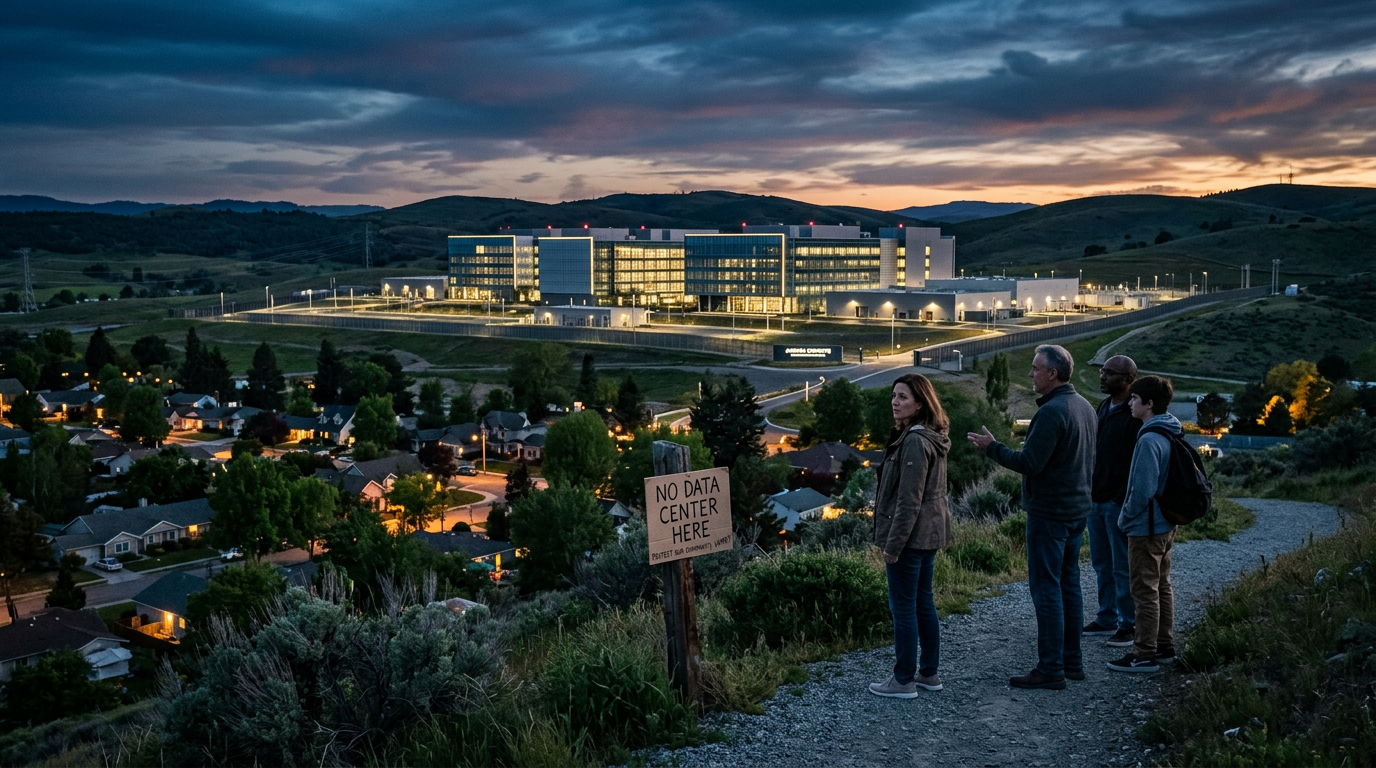
Over 50% of Americans oppose building AI data centers nearby. This physical limit on growth means higher server costs, which software companies will pass to you through higher subscription fees and surcharges.
Key Takeaways
- 51% of people oppose local data centers, creating a physical bottleneck for AI growth.
- Limited infrastructure leads to higher computing costs for software providers.
- Small businesses should expect price hikes on cloud tools as server costs rise.
- Annual subscriptions can lock in current rates for 12 months.
- Funding for local schools is the primary way tech companies win over skeptics.
The Physical Reality of Your Cloud Tools
Most business owners think of AI as a digital ghost. It feels weightless because you can't touch it. But every time you ask a chatbot to write an email, a physical machine in a warehouse has to spin up. These warehouses are called data centers, and they're the physical engine of the modern economy.
We're hitting a wall because people don't want these engines parked next to their houses. Research from Redfin shows 51% of people oppose a data center in their own neighborhood. Only 14% of people support having one nearby. This NIMBY (Not In My Backyard) problem will likely make your monthly software subscriptions more expensive.
The Math of Scarcity
When people block these buildings, they create a bottleneck. AI requires massive amounts of electricity and space. If tech companies can't build enough centers to keep up with demand, the cost of computing power goes up. Think of it like a hotel with only 10 rooms. If 100 people show up, the price of those rooms spikes. The same thing happens with the servers that run your software.
Software companies will probably pass these higher costs down to you. You might see a $20 monthly tool jump to $40, or see AI surcharges appearing on your invoices. This isn't just about noise complaints: it's a direct threat to the low-cost tools small businesses use to stay competitive.
Why Proximity Matters
Software companies want these centers near cities to reduce latency. Latency is the tiny delay between when you click a button and when the computer responds. When a town blocks a data center, the company builds it further away. This increases the cost of laying fiber optic cables (the glass strands that carry internet data) and makes the service more expensive to maintain. Small business owners pay for that extra cable and the political red tape.
How to Prepare Your Business
You don't need to be a real estate expert to protect your margins. You just need to change how you buy software. Take these steps this week.
1. Strip Back Ghost Subscriptions
Go through your credit card statement and find every software tool you pay for. Many companies are adding AI features you might not use. If you don't need the AI parts, look for a cheaper legacy tier. Cut anything that isn't essential before price hikes hit the industry.
2. Lock In Annual Pricing
If you use a tool daily, stop paying month-to-month. Most providers offer a 20% discount if you pay for the year upfront. An annual contract usually locks in your current rate. If the company raises prices in 6 months because their server costs went up, you're protected until your renewal date.
3. Stack Your Data Locally
Don't put every file in the cloud. For simple storage, using physical hard drives in your office is a one-time cost. Cloud storage companies are eyeing price increases as they pivot servers to handle AI tasks. Wire up a local backup system for your biggest files to keep your cloud bill lean.
4. Watch the Education Incentives
The Redfin study found that people are more likely to support data centers if companies fund local schools. If you see a tech company proposing a center in your region with these perks, it's a win for your local business community. It brings jobs and keeps the digital infrastructure close to your door.
What to Watch Next
Keep an eye on your inbox for Terms of Service updates. Usually, a price hike is buried in the third paragraph. We're entering a phase where the digital world is crashing into the physical world. The winners will be the business owners who see the bill coming. If you want to see exactly how to bolt these tools into your workflow, my 3-day training is the best place to start. I'll show you how to pick tools that save more than they cost.
FAQ
What is a data center exactly?
It's a large building filled with thousands of powerful computers that process data for the websites and AI tools you use every day.
Why does a building in another state affect my software bill?
The internet is a global network. If it becomes more expensive to build the machines that run the internet, every company using those machines has to pay more.
Will my current software prices go up immediately?
Not necessarily today, but many companies are already shifting pricing models to account for the high cost of running AI features.