Why Small Businesses Need a Seat at the AI Power Table
OpenAI is lobbying for massive new energy and data infrastructure in Texas. This move will impact local utility costs and grid reliability, making it vital for small business owners to lobby for energy credits and protections now.
Key Takeaways
- AI is moving from software to physical infrastructure that demands massive power.
- Data centers compete with local businesses for energy and water resources.
- OpenAI's letter to Texas signals a new era of state-level tech lobbying.
- Small businesses face hidden costs if they don't fight for energy credits.
- Proactive local engagement is the only way to protect your overhead.
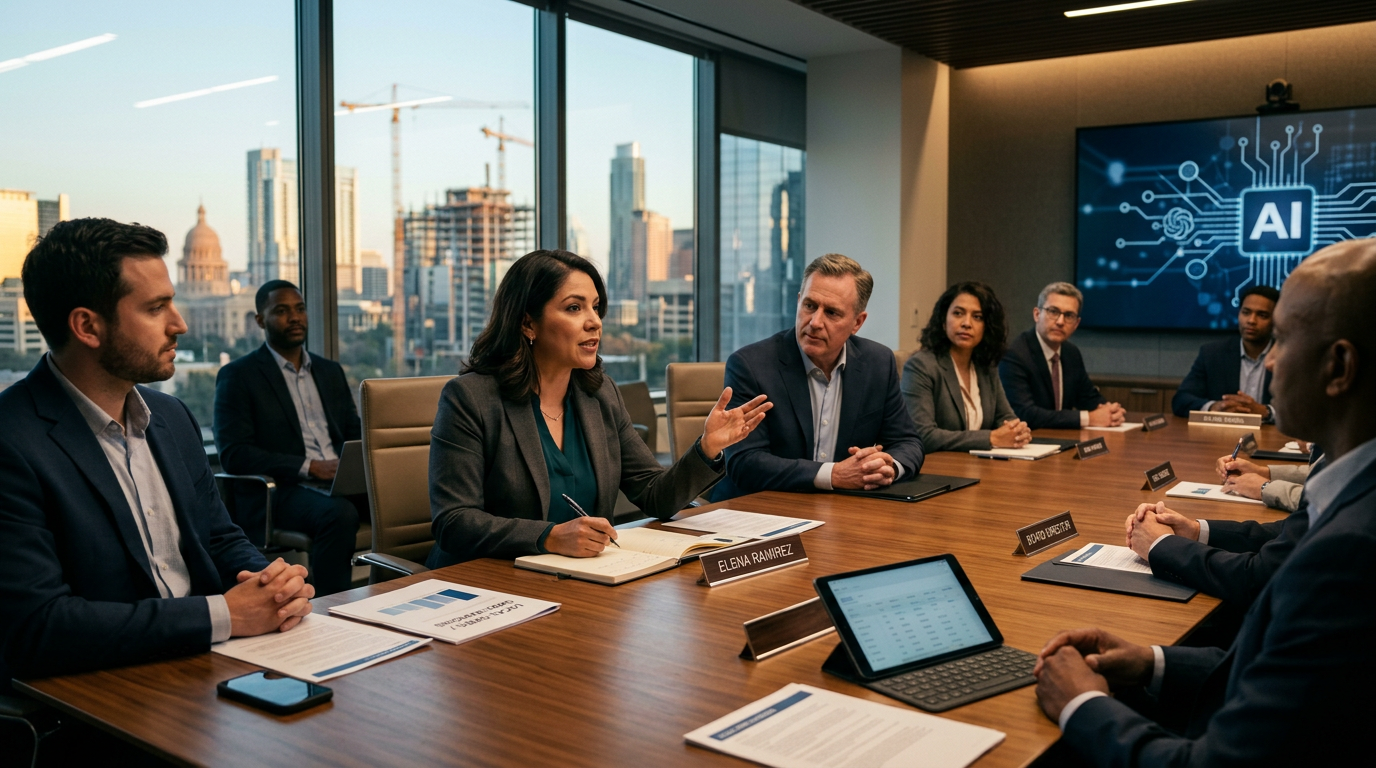
The Physical Side of Intelligence
OpenAI just sent a letter to Texas Governor Greg Abbott that every business owner should read. They aren't asking for software features or better coding tools. Instead, they're talking about building physical infrastructure like data centers and energy grids. AI isn't just code in the clouds. It's a physical machine that eats electricity and occupies land in our backyards.
If you run a local shop, you might think grid stability and data center permits are someone else's problem. They aren't. When companies build AI infrastructure for small business, they compete for the same power lines and water pipes that run your office. If we don't start asking for small-business energy credits and protections now, we'll pay the premium when the grid gets tight.
The Hidden Cost of the AI Boom
Big tech firms often move in, promise jobs, and grab tax breaks. Meanwhile, the local hardware store or accounting firm sees their utility bill creep up because the local grid needs expensive upgrades for the new load. OpenAI wants to support the expansion of energy capacity in Texas. That sounds good, but we need to make sure that capacity serves the little guy, not just the giant server farms.
Winners won't just be the people who use AI best, but the people who can afford the electricity to run it. Data centers are giant warehouses filled with computers that generate immense heat. They need constant cooling and massive power. If your state government gives away the farm to attract these centers without carve-outs for local owners, your overhead goes up. It's that simple.
Regional shifts in infrastructure can quietly bleed a small business dry. You won't notice it in one month, but over 3 years, your fixed costs for power and internet bandwidth can jump 20% while larger competitors lock in subsidized rates. We have to be proactive about where this power goes.
Why You Should Care About Data Centers
A data center is the engine room for the internet. Every time you ask a chatbot a question, a computer in a warehouse does the work. OpenAI is pushing for responsible AI infrastructure to ensure these engine rooms are built efficiently. You want these in your state because they make digital tools faster, but you don't want them hogging local resources.
Think of it like a new shopping mall. It brings in customers, but it also creates traffic and uses all the water. If the town doesn't plan, the existing shops on Main Street suffer. We're at the planning stage of the AI infrastructure boom. If you stay silent, the rules will be written by the people with the biggest checkbooks.
Practical Steps to Take This Week
You don't need to be a lobbyist to have an impact. You just need to be a vocal constituent. Here is how to start protecting your bottom line while this infrastructure is built.
- Call your local representative: Ask what protections exist for small business utility rates as new data centers move in. Use the phrase "pro-growth energy credits for small enterprises."
- Join your local Chamber of Commerce: Make AI infrastructure a standing agenda item. Small businesses have more power when they speak as a block to the city council.
- Audit your energy usage: Know exactly what you spend on power. Look for efficiency grants now so you can sand down your costs before the grid gets crowded.
- Monitor local zoning boards: Keep an eye on new permits for data centers. If a big tech firm gets a 10-year tax break, ask why local businesses aren't getting a proportional credit on their energy bills.
What to Watch Next
Watch how other states respond to the Texas model. OpenAI is setting a precedent for how these companies interact with state governments. If Texas successfully balances big tech needs with local grid stability, other states will copy the blueprint. If they don't, small business costs will skyrocket in tech hubs. I'll be keeping a close eye on the specific energy credits proposed in the next legislative session. That's where the battle for your profit margins will be fought.
FAQ
What is AI infrastructure?
It refers to the physical hardware, like data centers (warehouses full of computers) and power grids, required to run and train AI models.
Why would my energy bill go up because of AI?
Data centers require immense amounts of electricity. If the supply doesn't grow faster than the demand from these centers, prices for everyone on the grid can rise.
What are small-business energy credits?
These are financial incentives or rate protections that ensure small businesses aren't overcharged for power when large industrial users move into the area.