Stop Guessing Your Menu and Staffing Needs: How a Dedicated AI Companion Runs Your Restaurant
Independent restaurant owners can now use a dedicated AI called Rob to analyze POS data. It helps eliminate low-profit menu items and optimizes staffing schedules, turning raw sales data into actionable profit-saving steps without needing a tech background.
Key Takeaways
- Rob is the first AI companion built specifically for independent restaurants, not large chains.
- AI identifies 'zombie' menu items that cost money due to high ingredient prices.
- Predictive scheduling uses historical data to prevent overstaffing and save on labor costs.
- Specialized AI tools are easier for non-technical owners to use than generic chatbots.
- The first step is ensuring your Point of Sale data is clean and accurate.
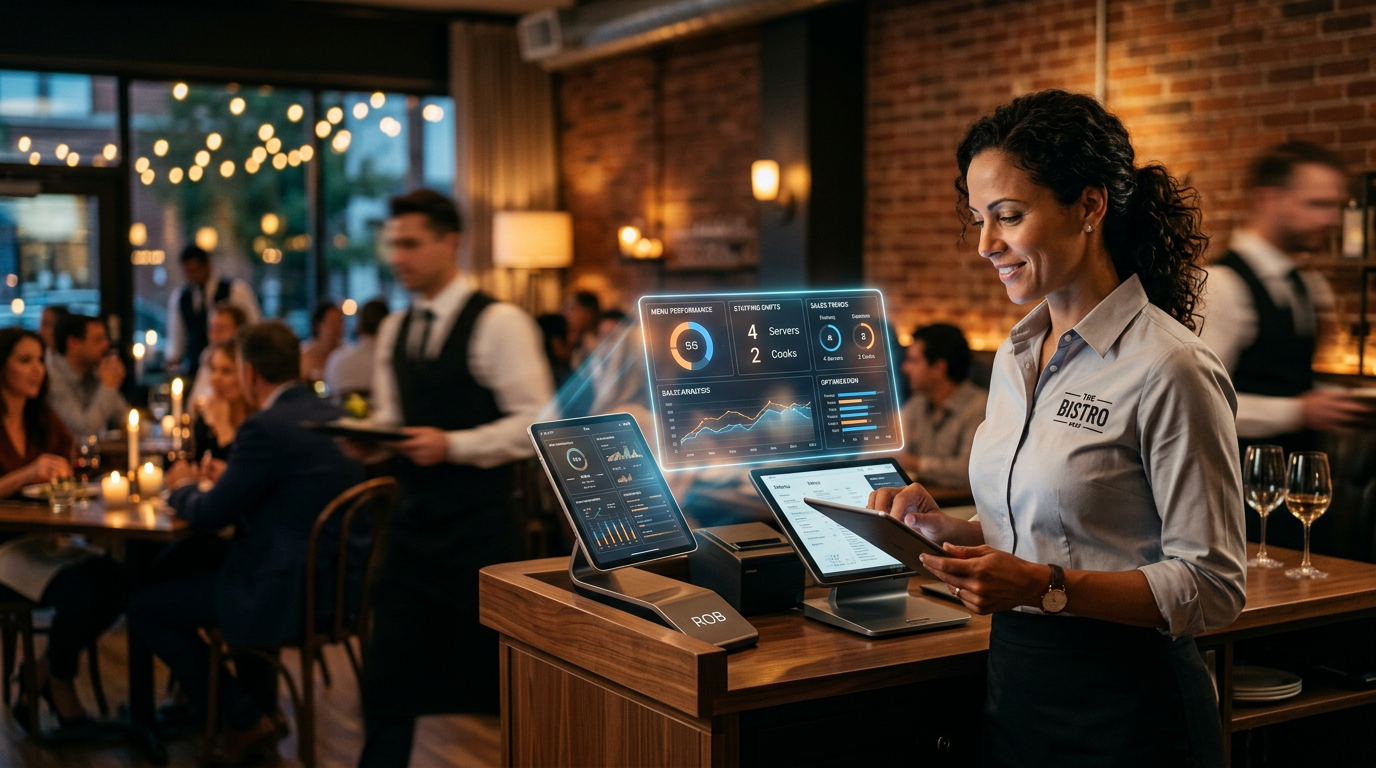
The End of Gut-Feeling Management
Most independent restaurant owners run their business on a mix of intuition and caffeine. You probably think Tuesday nights are slow, so you cut a server early. You might assume the salmon is a top seller and keep ordering it. If you're wrong by even 5% on food costs or labor, your entire profit margin for the week vanishes. It's a stressful way to live, which is why a new tool called Rob just hit the market.
According to reports from the Manila Times, Rob launched as the first AI companion built specifically for independent restaurant owners. This isn't a generic chatbot like ChatGPT that gives you recipes. It's a specialized system designed to plug into your existing data to help you make better decisions about your money and your time.
What an AI Companion Actually Does
When people hear AI for restaurant owners, they often think of robots flipping burgers or kiosks replacing cashiers. That's enterprise tech for big chains. For a local shop, the real value is in the boring stuff: spreadsheets, inventory, and schedules. Rob acts as a digital partner that looks at your sales numbers and tells you what to do next.
Think of it as a manager who never sleeps and remembers every single transaction. It connects to your Point of Sale (POS) system, the computer you use to take orders. By looking at that data, the AI spots patterns you might miss while you're busy dealing with a broken dishwasher or a late delivery driver.
Why Niche AI Wins
Generic AI tools are like a Swiss Army knife: they do a lot of things okay, but nothing perfectly. A dedicated restaurant tool is like a chef’s knife. It's weighted correctly for the job. These specialized systems already know your language. They understand terms like food cost percentage, labor ratios, and table turnover without you explaining them.
Fixing Your Menu Mix
Every menu has "zombies." These are dishes that people buy, but they actually lose you money because ingredients are too expensive or prep time is too long. Most owners keep them to avoid upsetting a regular customer. Rob helps you identify these items by stacking your sales data against current ingredient prices.
If the price of chicken wings spikes, the AI flags that your popular appetizer costs more than you're charging for it. It gives you the hard data to either raise the price or swap it for something more profitable. You're no longer guessing if a dish is worth the space on the page. You're making a math-based decision to keep your doors open.
Solving the Staffing Puzzle
Labor is usually your biggest expense. If you over-schedule by 2 people on a rainy night, you just paid for them to stand around. If you under-schedule, your service fails and you lose future customers. AI for restaurant owners solves this by looking at historical trends and even weather forecasts to predict exactly how many people you need on the floor.
Rob analyzes your past 6 months of data to tell you that you don't need 5 servers on a Thursday, you need 3. That simple adjustment can save a small business thousands of dollars a month. It takes the emotion out of scheduling. You aren't being the "bad guy" by cutting hours; you're just following the data that says the customers won't be there.
Practical Steps to Start This Week
You don't need to be a tech expert to start. Here is how to approach it today.
- Audit your POS data: Make sure your current system is actually recording what you sell accurately. If your data is messy, the AI won't be able to help you. Clean up your categories and item names first.
- Look at specialized tools: Research platforms like Rob that are built for independents rather than huge corporations. These are usually easier to set up and cheaper to run.
- Start with one problem: Don't try to fix everything at once. Pick your biggest headache, whether it's food waste or scheduling, and let the AI focus on that for 30 days.
- Verify the suggestions: AI is a companion, not a replacement. If the software tells you to cut your best server on a holiday, use your common sense. Treat the AI like a consultant whose work you still need to approve.
What to Watch Next
Keep an eye on how these tools start talking to your suppliers. The next step for AI in this space is automated ordering. Imagine a system that sees you are low on tomatoes, knows you have a busy weekend coming up, and automatically places the order for you at the best price. That tech is coming fast. For now, focus on getting your data into a system like Rob so you can stop managing by gut and start managing by profit. If you want to see how to wire these tools up to your specific business, my 3-day training is the best place to start. Register today to see the exact steps.
FAQ
Do I need to be a computer expert to use AI in my restaurant?
No. Tools like Rob are designed to plug directly into your existing sales systems and provide simple advice in plain English.
Is this only for large fast-food chains?
While big chains have used AI for years, this new wave of software is built specifically for the local independent shop.
How does AI help with food costs?
It tracks your sales against ingredient prices in real-time, flagging when a dish is no longer profitable so you can adjust your menu immediately.